
AHA 2025 Guideline Update — What It Means for You
The American Heart Association (AHA) has released the 2025 updates to its CPR and Emergency Cardiovascular Care (ECC) Guidelines. These updates continue the AHA’s ongoing commitment to improving survival and neurological outcomes from cardiac arrest — both inside and outside the hospital.
At CPR and More, we align our training with the most current science and recommendations from the AHA. Here’s a summary of what’s new and what it means for you as a rescuer, student, or instructor.
Key Updates
1. Continued focus on high-quality CPR
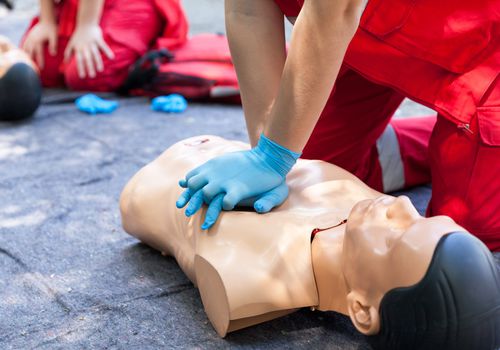
The new guidelines reinforce the importance of performing compressions at the correct rate and depth, allowing full chest recoil, minimizing interruptions, and ensuring early defibrillation when indicated. The science continues to show that consistency and quality in these fundamentals have the greatest impact on survival.
2. Emphasis on early recognition and system response
Rapid identification of cardiac arrest and activation of emergency response systems remain top priorities. For both lay rescuers and healthcare providers, quick recognition and action save lives.
3. Updated post–cardiac arrest care
New recommendations highlight the importance of comprehensive post-resuscitation care, including targeted temperature management, hemodynamic optimization, and early neuroprognostication. The focus is on improving long-term recovery and quality of life.
4. Specialized updates for certain populations
The 2025 guidelines include refined recommendations for infants, children, pregnant individuals, and patients with opioid-associated emergencies. These updates recognize that one-size CPR does not fit all and that tailored approaches can improve outcomes.
5. Enhanced education and team dynamics
AHA now places greater importance on effective communication, teamwork, and debriefing after resuscitation events. Simulation-based training and real-time feedback devices are encouraged to help improve performance and confidence during actual emergencies.
6. Updated infection control and safety measures
Following lessons learned from recent global health events, the AHA provides renewed guidance on personal protective equipment (PPE) use, ventilation techniques, and bystander safety during resuscitation.
Want to Read the Full AHA Update?
If you’d like to dive into every detail of what has changed, click this link to read the full AHA 2025 Guidelines Executive Summary:
https://cpr.heart.org/en/resuscitation-science/cpr-and-ecc-guidelines/executive-summary
What This Means for CPR Students
If you’re taking a CPR class with CPR and More, you’ll be learning the most up-to-date techniques and recommendations from these 2025 guidelines. Our curriculum has been reviewed and adjusted to reflect the latest science so that you’re prepared to act effectively and safely when it matters most.
For Instructors and Healthcare Providers
Our instructor and provider-level courses have also been updated in accordance with the new AHA materials. Instructors can expect revised lesson plans, updated feedback systems, and new emphasis on team-based training scenarios.
Stay Current, Stay Ready
CPR and More remains committed to providing high-quality, evidence-based training that saves lives. The 2025 AHA guideline update reinforces what we’ve always believed — that every second counts, and confident, trained rescuers make the difference.
To learn more or to register for your next CPR class, visit our Classes page or contact us for upcoming course dates.